Stress Management: Finding Your Inner Peace
In today's fast-paced world, stress is an unavoidable part of life. While some stress can be motivating, chronic stress can negatively impact your physical and mental well-being. At Holistic Wellness Hub, we believe in empowering you with the tools and techniques to effectively manage stress and cultivate a more balanced and peaceful life. This page offers practical strategies to help you navigate stressful situations and build resilience.
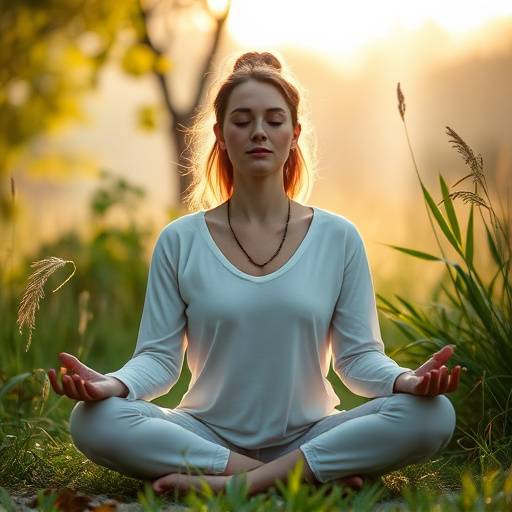
Mindfulness: Being Present in the Moment
Mindfulness is the practice of paying attention to the present moment without judgment. It involves focusing on your thoughts, feelings, and sensations as they arise, without getting carried away by them. By practicing mindfulness, you can become more aware of your stress triggers and develop a more compassionate and accepting attitude towards yourself.
How to Practice Mindfulness:
- Mindful Breathing: Focus on the sensation of your breath entering and leaving your body. Notice the rise and fall of your chest or abdomen. When your mind wanders, gently redirect your attention back to your breath.
- Body Scan Meditation: Lie down comfortably and bring your attention to different parts of your body, starting with your toes and moving up to your head. Notice any sensations, such as tingling, warmth, or tension, without judgment.
- Mindful Walking: Pay attention to the sensation of your feet touching the ground as you walk. Notice the sights, sounds, and smells around you.
- Everyday Mindfulness: Bring mindfulness to everyday activities, such as eating, washing dishes, or brushing your teeth. Focus on the sensations and details of the experience.
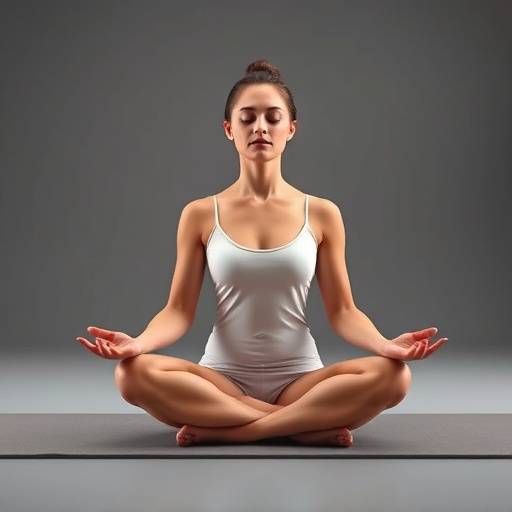
Meditation: Cultivating Inner Calm
Meditation is a practice that involves training your mind to focus and quiet your thoughts. Regular meditation can reduce stress, anxiety, and depression, and promote a sense of inner peace and well-being.
Types of Meditation:
- Guided Meditation: Follow the instructions of a meditation teacher or audio recording. Guided meditations can help you visualize calming scenes, release tension, and develop positive affirmations.
- Transcendental Meditation: Use a mantra (a word or phrase) to focus your attention and quiet your mind.
- Loving-Kindness Meditation: Cultivate feelings of love and compassion for yourself and others by repeating phrases such as "May I be happy," "May I be healthy," and "May I be safe."
Getting Started with Meditation:
- Find a quiet and comfortable place to sit or lie down.
- Close your eyes and take a few deep breaths.
- Focus on your breath or a mantra.
- When your mind wanders, gently redirect your attention back to your focus.
- Start with just a few minutes of meditation each day and gradually increase the duration as you become more comfortable.

Deep Breathing Exercises: Calming Your Nervous System
Deep breathing exercises can help calm your nervous system and reduce feelings of anxiety and stress. When you breathe deeply, you activate your body's relaxation response, which slows your heart rate, lowers your blood pressure, and reduces muscle tension.
Examples of Deep Breathing Exercises:
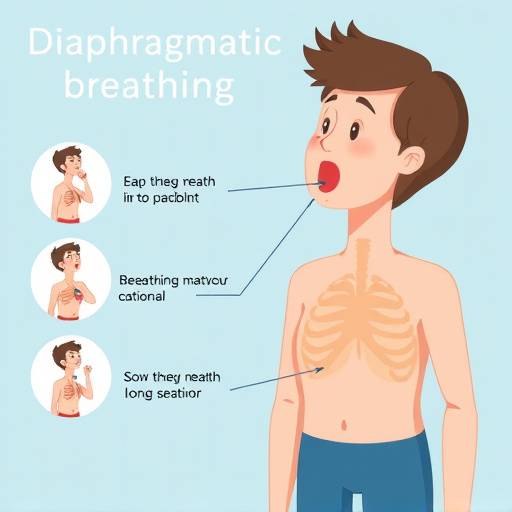
- Diaphragmatic Breathing (Belly Breathing): Place one hand on your chest and the other on your abdomen. Breathe in slowly through your nose, allowing your abdomen to rise. Breathe out slowly through your mouth, allowing your abdomen to fall.
- 4-7-8 Breathing: Breathe in deeply through your nose for a count of 4, hold your breath for a count of 7, and exhale slowly through your mouth for a count of 8.
- Box Breathing: Breathe in deeply through your nose for a count of 4, hold your breath for a count of 4, exhale slowly through your mouth for a count of 4, and hold your breath again for a count of 4.
Practice these exercises for a few minutes each day, or whenever you feel stressed or anxious.
Time Management: Taking Control of Your Day
Poor time management can lead to increased stress and feelings of overwhelm. By developing effective time management skills, you can reduce stress, increase productivity, and achieve a greater sense of control over your life.
Tips for Effective Time Management:
- Prioritize Tasks: Identify your most important tasks and focus on completing them first. Use a system like the Eisenhower Matrix (urgent/important) to prioritize your to-do list.
- Set Realistic Goals: Break down large tasks into smaller, more manageable steps. Set realistic deadlines for each step.
- Create a Schedule: Plan your day in advance, allocating specific time slots for different tasks.
- Avoid Procrastination: Tackle challenging tasks early in the day when you have the most energy and focus.
- Delegate Tasks: If possible, delegate tasks to others to reduce your workload.
- Learn to Say No: Don't overcommit yourself by saying yes to every request. Politely decline tasks that are not essential or that you don't have time for.
- Take Breaks: Regular breaks can help you stay focused and prevent burnout. Get up and move around, stretch, or do something you enjoy.

The Holistic Wellness Hub Approach to Stress
At Holistic Wellness Hub, our practitioners, including Dr. Anya Sharma and mindfulness coach David Chen, specialize in integrative approaches to stress reduction. We offer personalized consultations to help you identify your unique stress triggers and develop a customized plan that incorporates mindfulness, meditation, nutrition, exercise, and other holistic modalities. We believe in empowering you to become an active participant in your well-being journey.
For more information or to schedule a consultation, please contact us at contact page or call us at (555) 222-8888. We are located at 123 Harmony Lane, Suite 200, Serenity Springs, CA 91234.
Additional Resources
Explore our other pages for more information on holistic wellness:
- Nutrition : Learn about the connection between diet and stress levels.
- Exercise : Discover how physical activity can reduce stress and improve mood.
- Sleep : Understand the importance of sleep for stress management.
- Mental Health : Explore strategies for managing anxiety and depression.